Facing a drug test can feel like the ground is dropping out from under you. The stress is real, and the question is simple: will this work? That’s exactly what this guide is for. We’re cutting through the noise on a popular option—Monkey Whizz synthetic urine.
In plain terms, synthetic urine is a laboratory-made mix designed to look and test like the real thing. It’s meant to give you a clean sample. This article is your straightforward, step-by-step examination of Monkey Whizz from Serious Monkey Bizzness. We’ll look at what’s in the kit, how to use it, and—most importantly—whether it’s a reliable solution for today’s labs.
Our goal is to give you the actionable data you need to make an informed decision for your specific situation, so you can choose the safest path forward with clarity.
Inside the Monkey Whizz Kit: Components and Their Functions
So, how does a product like Monkey Whizz claim to navigate that gauntlet? Let’s break down the standard Monkey Whizz kit and its components, linking each piece to the specific worries you might have.
What’s in the Box: A Component-by-Component Look
At its core, the kit is an attempted toolkit for solving the lab’s verification puzzle. Here’s what you’ll typically find.
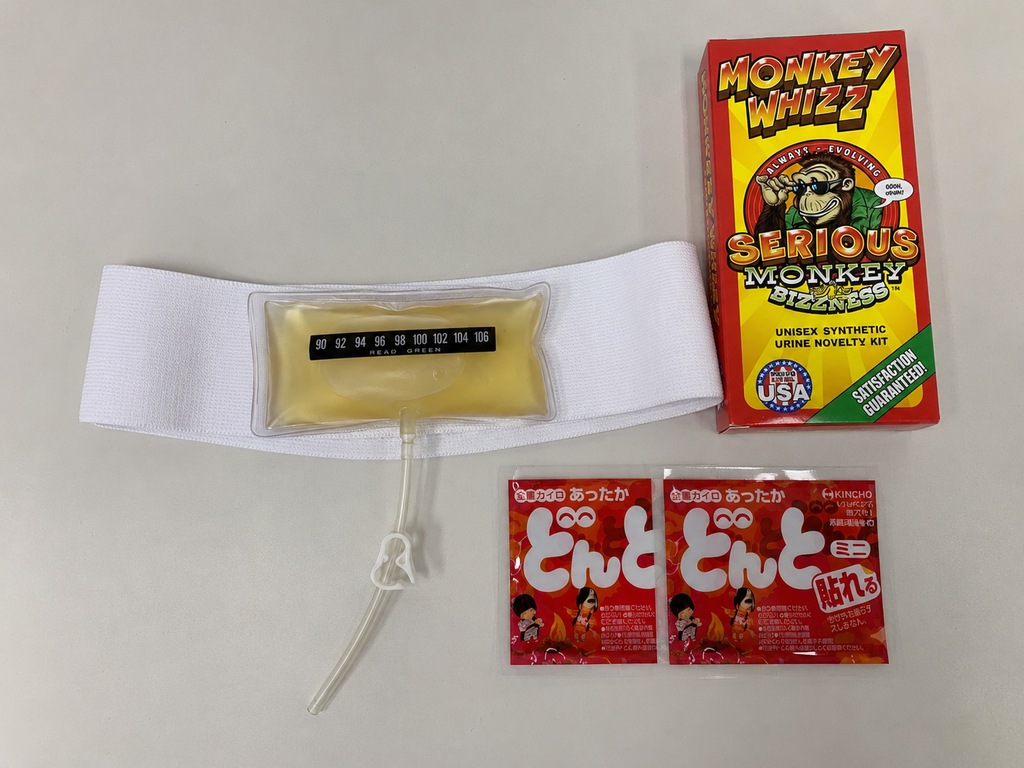
- The Synthetic Urine Itself (in a Flask): This is a pre-mixed, toxin-free solution containing key markers labs check for: urea, uric acid, creatinine, and a balanced blend of salts. The formula is designed to mimic the basic chemical signature of human urine, aiming to pass the initial visual and chemical validity tests. The standard bottle holds over 3.5 ounces—enough to meet the volume requirement of most tests.
- The Delivery System: Vinyl Bladder & Tubing: This addresses the core fear of sneaking a clean sample in. The urine is housed in a soft, vinyl reservoir bag connected to a small tube. The idea is to wear the bag against your body, using gravity to discreetly submit the sample into the collection cup without needing to handle a bottle directly.
- The Monkey Whizz Belt for Concealment: This is a 100% cotton elastic belt designed to secure the bladder pouch to your torso. Its purpose is to keep the kit hidden and stable under your clothing, aiming to prevent the sloshing sounds or visible bulges that might cause suspicion during a pat-down or in a quiet restroom.
- Thermal Regulation: The Heating Pads & Temperature Strip: This is arguably the most critical—and most complained about—part of the system. Two air-activated, self-adhesive pads are included to warm the sample. They’re designed to reach 100°F and, in theory, maintain temperature for hours using your body heat. The temperature strip, attached to the bladder pouch, displays a numeric readout, with a green zone indicating the lab-accepted range of 98-100°F.
Here’s the tangible rub: While this setup attempts to solve for temperature and concealment, user feedback highlights significant pain points. The heating pads can be unreliable—they might be duds, take a full hour to activate, or overheat the sample past the readable range of the strip. If the temperature strip remains blank, you’re left guessing: is it too hot, or has it already cooled down? The entire validation hinges on this one finicky component, and there’s no room for error. With the components laid out, the natural question becomes: how are you supposed to calmly assemble and manage this kit under extreme pressure?
How to Use Monkey Whizz: A Step-by-Step Guide for New Users
You’ve unboxed the kit, and the stress is real. Knowing the steps is one thing—executing them calmly when your future is on the line is another. This guide is designed to walk you through the process clearly, addressing the anxiety and the critical details that can make or break your test.
Step 1: Preparation and Activation
First, don’t wait until test day to check your kit. Look for the batch number and expiration date on the box to confirm the product is still chemically viable. An expired batch could fail the test before you even start.
When you’re ready to use it, unbox the 3.5 oz pre-mixed pouch, the adjustable belt, and the two heat pads. To activate a heat pad, simply unwrap it and shake it gently. You’ll feel it begin to warm within minutes—this is the air-activated chemical reaction. Adhere the adhesive side of one pad directly to the back of the urine pouch, ensuring the temperature strip on the pouch remains uncovered and faces outward.
Crucial Note: Do not cut the tubing or open the bottle cap until you are in the restroom on test day. Breaking the seal early introduces bacteria and can spoil the sample.
Step 2: Temperature Management
This is the most critical phase. Attach the activated pouch and heat pad to your body using the belt, positioning the strip against your skin for accurate reading. Allow 45 to 60 minutes for your body heat and the pad to bring the liquid into the 94°F–100°F range.
Immediately before you enter the testing facility, check the temperature strip. You’re looking for a green indicator between 98°F and 100°F. Trust the strip over touch. If the strip is blank or reads over 100°F, remove the heat pad and let the pouch sit at room temperature until the green indicator reappears in the correct zone. The lab will check the sample within four minutes of submission, so this window is non-negotiable.
Step 3: Concealment and Waiting
Secure the belt around your waist, thigh, or ribcage—the pouch should be flat against your skin with the tubing hanging down without kinks. Wear loose-fitting clothing like cargo pants or baggy shorts to hide any outline.
In the waiting room, your goal is to appear calm. Anxiety is your biggest enemy. Practice slow, steady breathing. If the wait is long and you’re concerned about temperature, a discreet shift in posture can use your body to regulate the pouch’s heat. Remember, collection staff are trained to spot nervous behavior like fidgeting or avoiding eye contact.
Step 4: The Collection Process
Once in the restroom alone, take a breath. Unclip the tubing and let the liquid flow smoothly into the cup. Pour steadily to mimic natural urination and create a bit of foam. You need at least 45 ml in the cup. Secure the lid tightly and submit the sample immediately.
By following these steps, you’re managing the process as best as the product allows. You’ve controlled the variables you can. But a step-by-step guide can only account for so much—the real question is whether Monkey Whizz, when used perfectly, actually holds up to the advanced scrutiny of a modern lab. That’s where we need to look next.
Mastering Temperature: Critical Tips for a Valid Sample
Let’s be clear: temperature is the first—and often final—hurdle you must clear. Labs check the sample the moment it’s submitted. A reading outside the accepted range is an immediate, unrecoverable red flag.
Pro Tip: The Perfect Window
Your sample must register between 90°F and 100°F the instant the collector measures it. Fresh human urine exits the body at approximately 98.6°F. For synthetic urine, you’re aiming for the 94°F–100°F sweet spot. Anything below 90°F suggests a stored or substituted sample. Anything above 100°F indicates artificial heating—and can degrade the very chemicals meant to pass validity testing. This isn’t a suggestion; it’s the primary metric your sample is judged by.
Achieving this narrow target requires more than just following the basic instructions. It demands a tactical approach to manage the product’s inherent variables. Here’s the insider knowledge you need.
The Body Heat Backup
According to user reports and product analyses, relying solely on Monkey Whizz heating pads is a high-risk strategy. These pads are inconsistent—they can fail to heat sufficiently or, worse, overheat the sample past 100°F, degrading its chemical profile.
If the pad seems weak or you’re in a long wait, your own body is your most reliable heat source. The strategy is direct skin contact. Place the vinyl bladder pouch flat against your inner thigh or in a snug underwear pocket. Skin contact alone typically raises synthetic urine to 90–94°F, placing you at the absolute lower edge of the acceptable range. Combining skin contact with a functioning heating pad can get you to the target 98°F–100°F range in 45–60 minutes. This isn’t just a tip; it’s your critical backup system.
The Waiting Room Strategy
You must verify the temperature discreetly before you enter the collection restroom. The temperature strip on the Monkey Whizz bottle uses liquid crystals—a green color indicates the current reading.
Check the strip periodically after the 45-minute mark. A common point of failure is the monkey whizz temp strip not reading. If it remains blank, it could mean two things: the sample is either over 100°F (overheated) or below the strip’s lowest readable threshold (too cold). You need to know which.
Verification must be done silently. Once you remove the container from your body and expose it to ambient air, the temperature begins to drop 1–2°F per minute. In a quiet clinic bathroom, the click of a bottle cap or the slosh of liquid is a giveaway. Practice handling the container without making noise. Your goal is a quick, silent visual check on that strip before you pour.
The Cold Cup Warning
This is a critical, often overlooked step. The moment the synthetic urine leaves your warm container and hits a cold, standard-issue plastic collection cup, physics takes over. The sample temperature can drop 2–3 degrees instantly.
To mitigate this, don’t just pour and stand there. As the liquid flows into the cup, gently swirl the cup in a small, steady motion. This mixes the cooler outer liquid with the warmer core, helping to stabilize the overall temperature reading for the collector. It’s a simple action that can mean the difference between a “valid” reading and an “out-of-range” flag.
The Core Caveat
Temperature failure is the most commonly cited reason for Monkey Whizz rejection. Long, unpredictable wait times and inconsistent heating pads create a near-constant risk. If the collector deems your sample out-of-range, they may not just fail you—they may require a second collection under direct observation. This is a risk that exists with this product’s delivery system. Achieving the perfect, stable temperature isn’t just about following steps; it’s about overcoming the product’s fundamental design vulnerabilities, which brings us to the next critical consideration: does Monkey Whizz even contain what labs are looking for?
Does Monkey Whizz Work? Examining Reliability and Lab Risks
But the truth is, getting the temperature right is just the first hurdle. The real test begins when your sample arrives at the lab. Will it pass the rigorous inspection designed to spot fraud? This is where the core promise of products like Monkey Whizz is put under the microscope, and where the consequences of failure are most severe.
When we talk about reliability for a Monkey Whizz drug test, we’re asking if it can withstand modern laboratory scrutiny. Labs don’t just test for drugs; they first conduct Specimen Validity Testing (SVT) to confirm the sample is actually human urine. This is a multi-point inspection.
The Lab’s Checklist: What They’re Looking For
According to federal guidelines and lab protocols, a sample must pass several thresholds. If it fails any, it’s flagged as “substituted” or “adulterated,” which is often treated as an automatic fail—just like a positive test.
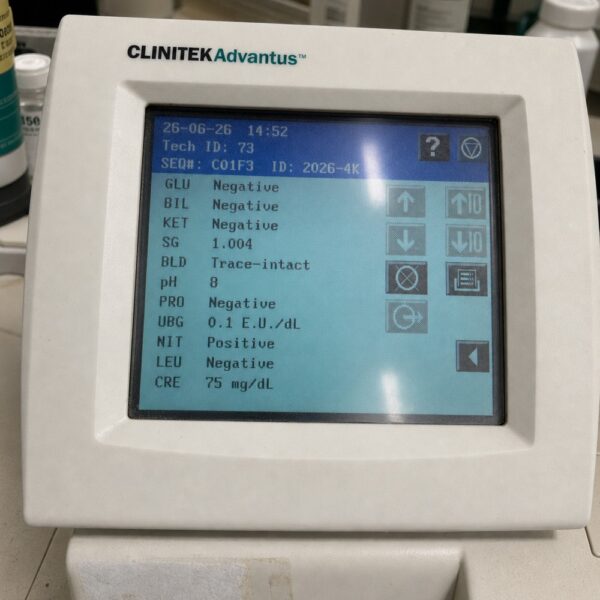
- Creatinine: Human urine naturally contains creatinine. A level below 2 mg/dL is a major red flag. While Monkey Whizz claims to include it, the concentration can be inconsistent.
- Specific Gravity: This measures urine density. The accepted range is 1.003 to 1.030. A sample that’s too dilute (≤1.0010) or too dense (≥1.0200) is immediately suspect.
- pH Level: Normal urine pH ranges from 4.5 to 9.0. Values outside this narrow window suggest tampering.
- The “Eye Test”: Collectors visually inspect for unnatural color, a lack of foaming when poured, or chemical odors.
Monkey Whizz Specific Vulnerabilities
The formula’s ability to consistently hit these scientific benchmarks is the central question of will monkey whizz pass a 10 panel drug test. Here’s where tangible risks emerge:
- Formula Degradation: Older batches or expired products are a known risk. The chemical balance of creatinine and pH can drift over time, pushing values into “invalid” territory. User reports from major labs like Monkey Whizz Labcorp tests mention “inconclusive” findings, which trigger immediate, often observed, retests.
- The Biomarker Gap: This is the most significant, evolving risk. Advanced labs are now using highly sensitive technology like LC-MS/MS. These panels test for dozens of organic compounds unique to human biology—markers like uric acid, urobilin, and even lifestyle traces like caffeine. The absence of this complex signature is a growing method for flagging all synthetic urines. Monkey Whizz’s formula is not designed to replicate this entire biological profile.
- Mechanical Failures: Beyond chemistry, the delivery system has its own problems. Reports include leaking bladder pouches and faulty valves that either fail to release the sample or make a suspicious noise. A bulky belt that’s hard to conceal during the visual inspection is another point of failure.
Let’s be clear. The stakes here aren’t a failed experiment. In a DOT-regulated or probationary context, a “substituted” result is classified as a refusal to test. That can mean immediate termination, loss of a commercial license, or a direct path to incarceration.
Some user anecdotes will claim success. But these are often contrasted with significant and stressful failures. Reliability isn’t about hope; it’s about minimizing risk against a system specifically designed to catch substitutes. Understanding these concrete lab risks and Monkey Whizz‘s documented limitations is essential for making an informed decision.
Monkey Whizz Pros and Cons: An Honest Assessment
So, you’ve seen how the lab works and what it looks for. Now, let’s put it all together. Is Monkey Whizz a reliable tool, or is the risk too high? We need to look at this like a scorecard—what it promises versus what actually happens in the real world. According to monkey whizz reviews 2025 and discussions on monkey whizz reddit 2025, the picture is mixed, with some clear advantages weighed against significant, potentially life-altering drawbacks.
The Pros: What It Gets Right
On paper, Monkey Whizz checks several basic boxes. Its main selling point is high availability; you can often find it at a local smoke or head shop for immediate pickup, which is a tangible plus if your test is tomorrow. The formula itself is a decent attempt at imitation, containing key compounds like urea and creatinine to mimic human pH and specific gravity. Users often note it has a realistic yellow color and a mild, non-chemical odor. The gravity-fed belt system is designed for discreet wear, and at around $50, its price point is more accessible than some premium kits. For someone under immediate financial stress, that affordability resonates.
The Cons: Where Real-World Pressure Exposes Flaws
But the truth is, the cons list represents a series of high-stakes failures that directly target your core anxieties. These aren’t minor nitpicks; they are points of system collapse.
- Temperature is the Primary Failure Point: The most common complaint is the sample cooling below the required 90°F–100°F range. If you get stuck in a waiting room or have a long commute, the included heat pads—often criticized for being slow to warm and inconsistent—may fail you. This is the single biggest fear: being rejected for a technicality before the test even begins.
- Detection Risk is Growing: Modern labs use Specimen Validity Testing (SVT) to look for thousands of natural “lifestyle markers” like caffeine or nicotine metabolites. Monkey Whizz‘s synthetic formula lacks these, creating a potential red flag for a trained technician or advanced GC-MS analysis.
- Hardware Can Betray You: User reports highlight real operational risks: sticky valves that make a tell-tale click, small leaks from the bladder, and temperature strips that are inaccurate or rub off against your skin. The “discreet” belt can also feel bulky under fitted clothing.
- It Fails the “Eye Test”: The sample may not produce the natural foam or bubbles that real urine does when poured into the cup, immediately drawing suspicion from a collector who is trained to look for exactly that.
- It Has a Limited Use Case: This method is essentially useless for directly observed or supervised collections, which are common in probation or DOT-regulated scenarios. The physical presence of the device on your body is a major liability.
When you align these cons with the consequences we’ve outlined—a lost job, a probation violation, a felony charge—the risk calculation changes. The lower price point becomes less of a value and more of a reflection of its limitations.
This raises a practical, immediate question: if you’re considering stocking this product as an emergency option, how long does it actually last on the shelf? And more critically, can you rely on its performance if it’s been stored for months? That’s the next layer of reliability we need to examine.
Shelf Life and Storage: Practical Considerations for Monkey Whizz
Being prepared with a stash of synthetic urine can feel like a smart move. But that preparation only pays off if the product remains viable when you need it most. Let’s drill down into the practical shelf life and storage rules for Monkey Whizz to see if buying in advance is a reliable strategy.
The core question—does Monkey Whizz expire?—has a straightforward answer. According to its specifications, unopened Monkey Whizz has a shelf life of approximately one year from the date of purchase. You can find the specific “use by” date printed on the bottom of the box. That’s your first checkpoint. For that year, the product must be stored in a cool, dry location away from any direct sunlight. That seems manageable, but it introduces your first point of failure: maintaining consistent storage conditions.
The bigger issue arises after you break the seal. Once opened, you’ve entered a race against time. The synthetic urine is now exposed to air and bacteria, much like milk. If left at room temperature, bacterial growth renders it unusable within just one to two days. Refrigeration can extend this window for a maximum of a few days, but it’s a tight, stressful constraint.
And what about reheating? A common purchase objection is uncertainty about whether you can heat and cool the sample multiple times. The guidance here is conservative and risk-averse. While some methods suggest refrigerating a prepared sample for a short period, there’s no guaranteed safe number of reheats without degradation. The integrity of the sample—including its critical pH and creatinine levels—can change. Contamination is also indicated by cloudiness or swirling particles in the fluid.
So, even if you store it perfectly, the clock is always ticking. Beyond the one-year mark, water molecules can evaporate through the packaging, causing the urine to become overly concentrated and dark. Even if bacteria-free, these samples frequently fail validity checks at the lab. Add to this the independent shelf life of the included heat pads, which can weaken over time, and your “prepared” stash becomes a significant gamble.
This reality points to a fundamental design limitation. When reliability is non-negotiable, the conversation naturally shifts toward products engineered with longer stability and more robust storage guarantees in mind.
Monkey Whizz vs. Other Synthetic Urine Kits: A Basic Comparison
When you’re staring down a drug test, the options can feel overwhelming. You’re not just choosing a product—you’re placing a bet on your future. That’s why looking at Monkey Whizz in isolation misses the full picture. To make an informed choice, you need to see how it stacks up against other common solutions on the market.
The Core Delivery Systems: Bottle vs. Belt
Synthetic urine generally comes in two forms. The first is the bottle-based system—a simple, handheld container you need to conceal and manually pour into the test cup. Products like Quick Fix and UPass fall into this category. The second is the belt-based system, like the one included with Monkey Whizz, which uses a wearable bladder and tube for a more hands-free, discreet dispensing method.
For a beginner, three criteria matter most when comparing these kits: discretion (can you hide it?), temperature reliability (will it stay in the valid 90–100°F range?), and detection risk (will the lab flag it?).
How Monkey Whizz Stacks Up Against Bottle-Based Kits
Let’s start with a direct comparison between Monkey Whizz and a popular bottle-based alternative like Quick Fix. On paper, they seem similar. Both are pre-mixed formulas containing urea, uric acid, and creatinine to mimic real urine. They’re both positioned as budget-friendly options, typically around $40.
But the similarities highlight shared vulnerabilities. Both products rely on chemical preservatives—biocides—to maintain their shelf life. Modern lab validity testing is specifically designed to screen for these unnatural additives. User reviews frequently cite this as a point of failure, with reports of tests being flagged as “altered” or “substituted.”
The key difference lies in the delivery. Monkey Whizz’s belt offers an advantage in discretion for unsupervised tests, eliminating the need to fumble with a bottle in your pocket. However, this adds a layer of mechanical complexity—the clips and tubes introduce potential failure points you don’t have with a simple bottle.
The Alternative: Using a Friend’s Clean Urine
At this point, you might wonder why not just get clean urine from someone else. The problem is controlling temperature and freshness. Real urine begins to decompose and grow bacteria almost immediately, altering its chemical signature within hours. Keeping it at a precise, body-like temperature without a lab-grade heater is a major challenge. Synthetic kits attempt to solve this with heat pads and a stable formula, but as we’ve seen, those solutions have their own limits.
The Bigger Picture
When you compare bottle-based systems side-by-side, you start to see a pattern. The core strengths and weaknesses—chemical detectability, temperature management, and discretion—are consistent across this category of entry-level products. They offer a quick, affordable fix but come with significant, well-documented risks in advanced testing environments.
This shared set of drawbacks points to a fundamental design choice. It’s not just about picking a different bottle brand. The real question becomes whether a different category of product altogether—one engineered from the ground up to address these very objections—might offer a more reliable path forward.
How to Choose Synthetic Urine: Key Criteria for Beginners
Let’s be clear: the anxiety you’re feeling right now is normal. When the stakes are this high, the sheer number of products and conflicting opinions can be paralyzing. That’s why stepping back with a simple, logical framework is your first step to regaining control. Forget the marketing hype for a moment. Instead, evaluate any option—including the one you might already be considering—against five core criteria we’ve established through real-world user experiences and lab science.
Here’s your checklist for making an informed decision:
1. Proven Lab Formula (Not Just a Claim)
The product must demonstrably pass Specimen Validity Testing (SVT). This means more than a label listing creatinine; it means consistent, verifiable levels of urea, uric acid, and creatinine within human ranges. For example, Monkey Whizz’s formula has been flagged for creatinine levels that deviate from expected norms, leading to “inconclusive” results at major labs. A reliable kit provides this data confidently.
2. Foolproof Temperature Management
The sample must hit and hold between 90°F and 100°F until submission. This is where many kits fail at the critical moment. You need a system with a reliable, high-quality heat source and a temperature strip you can actually read. User reports of heating pads failing during a commute or strips rubbing off are not minor issues—they are direct paths to an immediate failed test.
3. Biocide-Free Detection Resistance
Modern labs actively screen for synthetic preservatives and oxidizing adulterants. A formula that’s simply “synthetic” is no longer enough. The goal is to find a kit that avoids biocides and other easily flagged compounds, focusing instead on mimicking natural urinary chemistry without leaving a digital fingerprint.
4. Secure and Discreet Delivery
The system must be concealable under any clothing and operate silently. A bulky belt or a valve that makes a “snap” or “slosh” sound introduces immediate, high-stress risk during check-in. Mechanical failure isn’t just an inconvenience; it’s a direct route to getting caught.
5. Confident Shelf Life and Stability
You need to know the product is stable and effective when you need it, not just when you buy it. Look for clear expiration timelines and understand whether pre-mixed formulas or powdered versions better suit your storage reality.
With these five tangible criteria in mind, you can cut through the noise. They provide a calm, systematic way to assess the tools at your disposal. And once you start applying this lens, you’ll quickly see which products were engineered to check every single one of these boxes from the ground up—which leads directly to a solution designed specifically to address the gaps in older, bottle-based kits.
Why Incognito Belt Offers Enhanced Reliability for Drug Tests
You’ve just built a rigorous, five-point checklist for evaluating any synthetic urine kit. Let’s be clear: that framework isn’t academic—it’s your first line of defense against a failed test. Now, let’s apply that exact lens to a system engineered from the ground up to answer each of those criteria, specifically where older kits fall short.
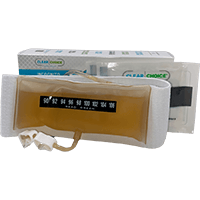
Incognito Belt represents a fundamental design shift. It moves beyond the handheld bottle—a primary source of user anxiety—to a wearable, integrated system. The core concept is a lightweight elastic belt with an attached, sealed bladder. This isn’t just a new container; it’s a new methodology that directly addresses the most common and stressful points of failure in your testing environment.
Let’s align its features with your specific pain points:
- Total Concealment and Silent Operation. The fear of a pat-down or a suspicious noise is paralyzing. The Incognito Belt solves this through its wearable design. You fasten it securely around your waist—it’s adjustable up to 48 inches and remains flat under clothing. There’s no bottle to fumble with in a pocket. More critically, dispensing is controlled by silent, one-handed clips on a rubber tube. This eliminates the tell-tale pop of a bottle cap or the sloshing sound that can raise alarms in a quiet clinic bathroom. The delivery mimics natural urination through gravity, not squeezing.
- Next-Generation Formula and Lab Stealth. The included synthetic urine is a pre-mixed, biocide-free formula containing 11 key chemical compounds—including urea, uric acid, and creatinine. It’s designed to mirror human urine’s specific gravity and pH, making it robust against standard lab validity checks. This directly counters the anxiety that modern labs will flag an altered sample.
- Dual-Heat System for Temperature Stability. Temperature anxiety is perhaps the biggest hurdle. The belt’s solution is a dual-heat approach: two adhesive heat pads work in concert with passive body warmth from being worn against your skin. This creates a stable, passive heating environment that maintains the critical 94–100°F range for up to 10 hours. The integrated, high-accuracy temperature strip provides real-time monitoring, so you can verify readiness before you even enter the restroom. This method is far more reliable than a single heat pad on a bottle that cools rapidly in a waiting room.
Some may question the heat activator powder, wondering if it’s a detection risk. The reality is that such additives are common across the industry for rapid temperature adjustment and are not flagged in standard toxicology screens designed to detect drugs or common adulterants. The belt’s system uses passive, sustained warmth, minimizing your reliance on last-minute chemical fixes.
The operational learning curve requires attention—you must allow 30–60 minutes for the pads to warm the sample to spec, and you cannot microwave the bladder. But once mastered, the system delivers a tangible advantage: it removes the variables of manual pouring, audible fumbling, and insecure concealment. It’s designed not just to work in ideal conditions, but to account for the real-world stress of a supervised test, a long wait, or an intrusive environment. It’s the actionable, next-generation upgrade for passing your test with confidence.
Where to Buy: Finding Authentic Synthetic Urine Kits
Now that you understand what separates a reliable kit from a risky one, the next step is making sure you’re actually buying the real thing. If you’ve been searching “where can I buy Monkey Whizz” or looking up “monkey whizz near me,” you’ve probably seen a flood of confusing options. But the truth is, where you purchase matters just as much as what you purchase.
Go Straight to the Source
The safest route is always the official manufacturer website. For Monkey Whizz, that’s Serious Monkey Bizzness—their standard kit runs $49.95 with discreet shipping available. For the Incognito Belt, order through Test Negative, the authorized distributor for Clear Choice products. It’s listed at $135, with free standard shipping on orders over $145 and international options via USPS.
What to Avoid
That brings us to a critical point. Resist the urge to search “monkey whizz Amazon” or browse eBay for a deal. These platforms are flooded with counterfeits, expired stock, and kits that may have been tampered with. Major retailers like Walmart, CVS, and Target don’t carry synthetic urine at all. According to multiple user reports, products purchased from unauthorized sellers have arrived with broken seals, missing components, or batch codes that don’t verify. When your livelihood is on the line, saving a few dollars isn’t worth the gamble.
Verify Before You Trust
Upon delivery, inspect your kit immediately. Look for manufacturer-specific branding, an intact safety seal, and a valid batch code. If anything appears tampered with or the seal is broken, contact customer service right away—do not use the product.
Protect Your Privacy
Both manufacturers offer discreet shipping, which protects your privacy at every stage. If you need a physical pickup option, Monkey Whizz is also stocked at select head shops and smoke shops—but expect slightly higher prices and less anonymity than ordering online.
Final Recommendation: Selecting the Right Solution for Your Test
Let’s be clear: your goal is to pass this test with absolute certainty and minimal stress. When the stakes are your career, your freedom, or your family’s stability, you need a solution built for modern lab scrutiny. Monkey Whizz represents an older-style approach that carries significant, well-documented risks—particularly with temperature control, specimen validity testing (SVT), and discreet delivery.
That’s why the actionable, expert recommendation is the Incognito Belt by Clear Choice. It was engineered to directly address those exact pain points. Its advanced biochemical formula, balanced for pH, specific gravity, and creatinine, is designed to pass both drug screens and validity checks. The integrated belt system with specialized heat pads delivers tangible, reliable temperature management and superior discretion, minimizing the anxiety of leaks or detection.
Yes, it may represent a higher upfront investment than a basic kit. But frame that cost as an investment in peace of mind and reliability for a truly life-changing outcome. Aligning your choice with the criteria you’ve learned—biocide-free composition, guaranteed temperature stability, and a discreet delivery system—is how you secure your future. Choose the solution built for success.